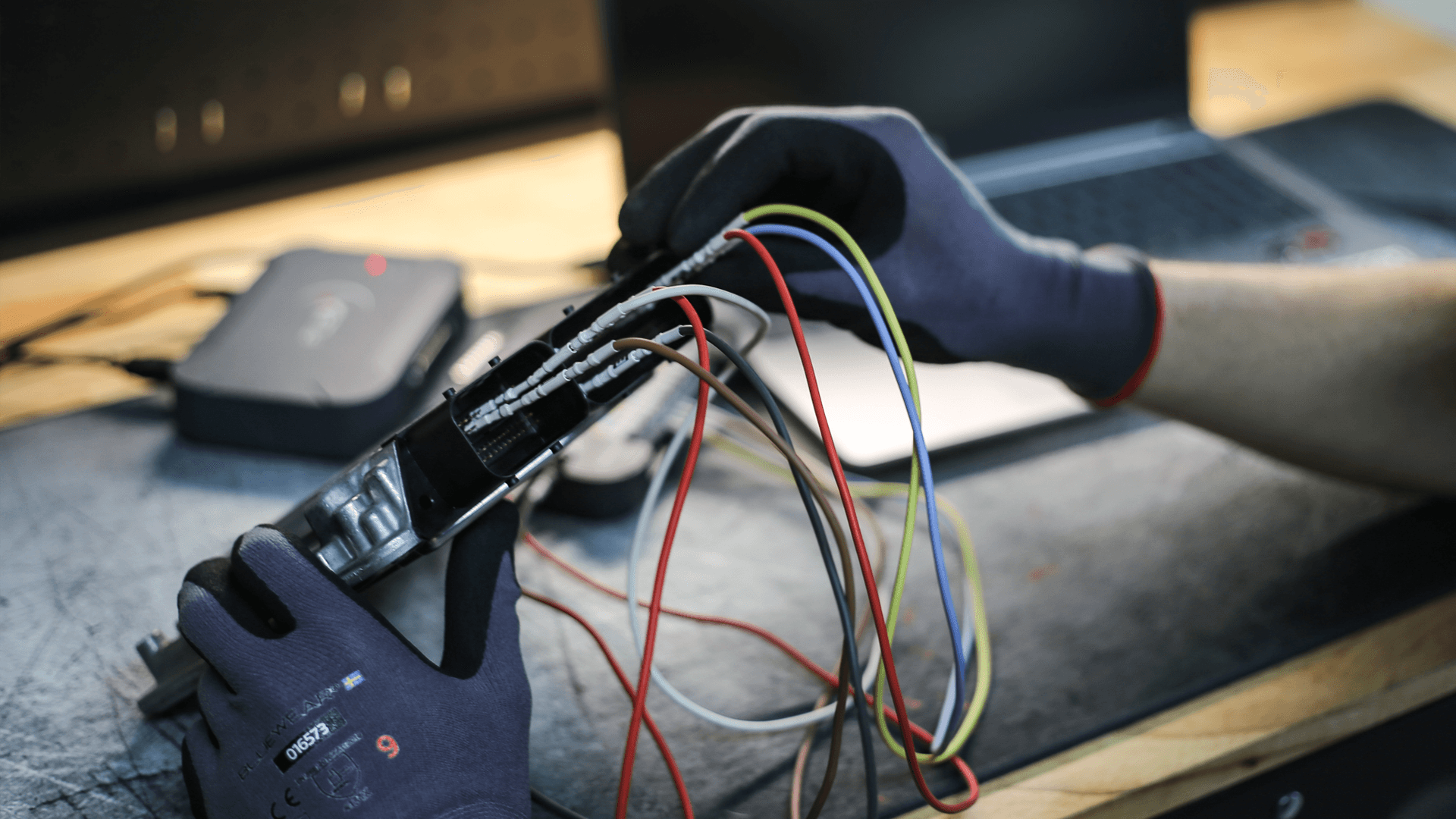
How to Find a Reliable ECU and TCU File Service
When choosing a file service for engine or transmission tuning, you are also choosing a technical partner. File quality matters, but so does how the provider handles original files, vehicle information, troubleshooting, and questions after programming.
For a workshop, a poor-quality file can mean extra diagnostic time, rework, and an unhappy customer. For a vehicle owner, incorrect calibration can affect drivability, reliability, and the interaction between the engine and transmission. That is why your choice should be based on more than a low price or a high promised torque figure.
This guide explains what to look for in a reliable file service, which questions to ask, and how Revtech Files could be an option for your business.
What does a file service do?
A file service supplies modified files for a vehicle’s control units. The ECU is the engine control unit, and the TCU is the transmission control unit. Calibration governs, among other things, how the engine requests and delivers torque, as well as how an automatic transmission handles shifts and load.
ECU tuning may involve adjusting torque limiters, boost pressure, and fuel control. The parameters involved depend on the engine, control unit, and scope of work. Transmission tuning likewise needs to account for the characteristics of the transmission and the engine’s torque output.
A reputable provider therefore needs accurate information. Vehicles with the same model name and engine size can have different software versions, control units, and components. A modified file is not automatically suitable just because it comes from a similar vehicle.
Five signs of a reliable file service
1. The provider requests the right vehicle information
A well-documented job reduces the risk of misunderstandings. You should expect to provide information such as:
- Vehicle model, year, and engine variant.
- ECU or TCU identification and software version.
- Tool and read method.
- Original file or other data required by the tool and workflow.
- Existing hardware modifications.
- Desired outcome and any known issues.
A reliable provider should flag incomplete information or details that do not match the job. Asking follow-up questions is a sign of quality, not an obstacle.
2. Technical support understands the problem
Support is especially valuable when a job does not go to plan. This could involve an unexpected file format, unclear control unit identification, or a vehicle that already has faults before tuning.
Ask how technical cases are handled and what information is needed. Can you send fault codes, logs, and a clear description of when the problem occurs? How are potential file adjustments handled?
Also distinguish between portal availability and technician availability. A portal that is open around the clock does not in itself mean every file will be delivered immediately or that support will respond at once.
3. Testing is explained without exaggerated promises
It is useful to know that files are tested, but ask what testing means for your specific job. Checks of file structure, calibration content, and results on a vehicle are different things.
A tested file does not replace checking the vehicle that will be programmed. Worn components, boost leaks, or existing faults can affect the result even when the file itself is correct.
Be cautious of providers who promise the same power increase for every vehicle or describe tuning as risk-free. Serious calibration work takes both the hardware and the vehicle’s condition into account.
4. File handling and recovery are taken seriously
Original files and control unit identification should be saved and clearly linked to the correct vehicle. Document which tool and method were used as well.
A checksum is used to verify data integrity. How it is handled depends on the control unit, tool, and workflow. Clarify who is responsible for the checksum before writing the file.
There should also be a well-considered recovery plan. Returning to the original file requires the right data and working tool support; it is not something you should start looking into only after a problem occurs.
5. Prices and terms are clear
Do not compare only the cost of an individual file. Find out what is included in the job:
- Technical advice before ordering.
- Handling of additional information.
- Any file adjustments and the terms that apply.
- Expected delivery time.
- Support with questions after programming.
A low purchase price can become expensive if it leads to many extra hours of work. For a workshop, the total cost per completed customer job is often more relevant than the file price alone.
The right tools and read method matter
A file provider cannot compensate for every shortcoming in the programming process. Tool support, a stable power supply, and the correct working method need to be confirmed before writing begins.
OBD, Bench, and Boot
OBD involves communication through the vehicle’s diagnostic port. Bench typically means connecting directly to the control unit’s connectors, outside the vehicle’s usual diagnostic connection. Boot involves access through a specific programming mode and may require opening the control unit.
These methods are not interchangeable. Follow the tool manufacturer’s instructions for the specific control unit and check which functions are supported, including reading, writing, and recovery.
ECU cloning or TCU cloning may require memory areas beyond the calibration section. A file for engine tuning should therefore not be confused with a complete data set for cloning.
Match the file to the vehicle’s actual requirements
Stage 1, Stage 2, and Stage 3 need to be defined
Stage 1 tuning generally refers to calibration for a vehicle with standard hardware. Stage 2 and Stage 3 tuning usually involve more extensive changes, but these labels are not a uniform technical standard.
Always describe the actual components and objectives. For example, state whether the turbo, fuel system, or other relevant parts have been changed. Ask the provider to explain what the file assumes and what checks are needed after programming.
Diagnostics before tuning
Read fault codes and investigate known issues before writing a modified file. Engine tuning should not be used as a substitute for repairing mechanical faults.
After programming, check the results using relevant diagnostics and, where appropriate, logging under controlled conditions. Follow up on drivability, fault codes, and relevant operating values for the vehicle in question.
Emissions-related changes require particular care
If a job involves the DPF, EGR, AdBlue, or catalytic converter, clarify the intended use and applicable regulations before ordering the work. The availability of a technical solution does not mean it is permitted for use on public roads.
The EU, UK, and US have regulations that may restrict changes to emissions systems. Requirements vary by jurisdiction and intended use. Also check the implications for inspections, insurance, and any warranty terms. A reliable provider should not make general promises that such modifications are always legal.
Why Revtech Files is worth considering
Revtech Files is operated by Fileservice Scandinavia AB in Kalmar, Sweden. The company offers files for ECU tuning, transmission tuning, and Stage 1, Stage 2, and Stage 3 tuning, among other services.
The file service is available around the clock, the files are tested, and technical support is provided by real technicians. These are relevant features for a workshop that needs both file data and the opportunity to discuss technical questions. Confirm the requirements for your specific job, including compatibility, delivery, and support.
Learn more about the Revtech Files file service to get a clearer picture of the service before your first job.
Checklist for your first order
Regardless of the provider, a clearly documented first job is a good way to evaluate the working relationship:
- Check the vehicle’s condition and document existing faults.
- Confirm that the tool supports the correct control unit and working method.
- Save the original data and control unit identification.
- Describe the hardware, desired outcome, and any limitations.
- Clarify the terms for support and file adjustments.
- Plan the checks to carry out after programming.
If you are a vehicle owner, also ask the workshop who is responsible for diagnostics, programming, and follow-up. A good file is one part of the work, not the whole job.
Start with a free account
A reliable file service combines accurate information, tested files, and technical communication. If you want to evaluate Revtech Files, the next step is simple: register for a free account in the file portal.
Start with a specific job and documented vehicle information. This makes it easier to assess the file, communication, and how well the service fits your workflow.