Reliable Stage 1 Files for Long-Lasting Engine Tuning
When comparing Stage 1 files, it is easy to focus on the advertised horsepower and torque figures. But for a car used every day, other questions matter just as much: How is the torque delivered? Is the file correct for the car’s engine management system? And how much safety margin remains for the engine and drivetrain?
Revtech Files provides tested Stage 1 files with a conservative approach. We adjust the calibration without pushing the settings further than we consider safe for the specific tuning application. The goal is a well-balanced improvement, not the highest possible figure at the expense of reliability.
This does not mean that any engine tuning is risk-free. The vehicle’s condition, service history, fuel, and usage always affect the result. A good file must therefore be paired with the right vehicle information, the correct programming method, and a check of the car.
What Is a Stage 1 File?
A Stage 1 file is a modified software file for the vehicle’s ECU, or engine control unit. Stage 1 tuning usually refers to calibration for a vehicle with standard hardware, without requiring components such as a larger turbocharger or different injectors. However, the term is not a uniform technical standard across different providers.
Depending on the engine and control system, the work may involve:
- Torque requests and relevant torque limiters.
- Boost control on turbocharged engines.
- Fuel quantity and injection timing.
- Ignition timing on petrol engines.
- The relationship between accelerator input and the engine’s requested load.
These functions need to work together. Changing one value significantly is not the same as carrying out a considered calibration. A reliable Stage 1 file must also match the correct ECU software version and the vehicle’s actual condition.
What Makes a Stage 1 File Reliable and Long-Lasting?
The Right File for the Right Software Version
Two cars with the same model name and engine size may have different engine management software versions. That is why choosing a file based only on make, model year, and advertised power is not enough.
The starting point should be accurate ECU identification and a suitable original file. With virtual reading, where a tool retrieves a matching original file instead of reading the complete file directly from the control unit, correct identification is especially important.
Controlled Increases in Load
More torque means greater load on components such as the engine, clutch, and gearbox. This also applies when the vehicle does not need new hardware for the tuning work.
A conservative calibration considers more than the peak power figure. How torque builds across the rev range also matters. For example, a large increase at low engine speeds can place particular strain on a worn clutch.
There is no universal percentage that makes every Stage 1 file safe. The assessment must take the specific engine, drivetrain, and vehicle condition into account.
Protective Functions Are Part of the Whole System
The engine control unit includes functions that manage factors such as temperature, knock, and boost pressure deviations. A responsible tuning assessment needs to consider how the calibration works with these functions.
Ignoring fault codes or bypassing a problem to achieve a desired power figure is not a lasting solution. If the vehicle already has a technical fault, it should be investigated before tuning.
How Revtech Files Works with Stage 1 Files
All Revtech Files Stage 1 files are tested. Our approach is to calibrate files within limits we consider safe for the tuning application, without unnecessary aggressive changes.
For vehicle owners, this means the focus is on balanced engine tuning. For professionals working with programming, file quality and accurate vehicle information are central to the work—not just the delivery of a modified file.
Revtech Files is operated by Fileservice Scandinavia AB in Kalmar, Sweden. The file service is open 24/7, with technical support from real technicians. Read more about how our file service works and how it can support your work.
A tested file does not replace checking the individual vehicle. Differences in wear, previous modifications, and maintenance can affect how the car performs after programming.
Checks Before and After Programming
Before: Make Sure the Vehicle Is a Suitable Starting Point
The vehicle should be checked before a Stage 1 file is written. A practical initial inspection includes:
- Reading and assessing fault codes.
- Reviewing service history and current maintenance needs.
- Checking for leaks and irregular operation in the intake and boost systems.
- Assessing the clutch and gearbox if there are signs of slipping or other problems.
- Recording ECU identification and available original file information.
- Confirming that the tool supports the specific control unit and programming method.
A car with uneven running, a recurring engine warning light, or unusual smoke needs diagnosis first. Engine tuning is not a repair.
During Programming: Follow the Tool’s Instructions
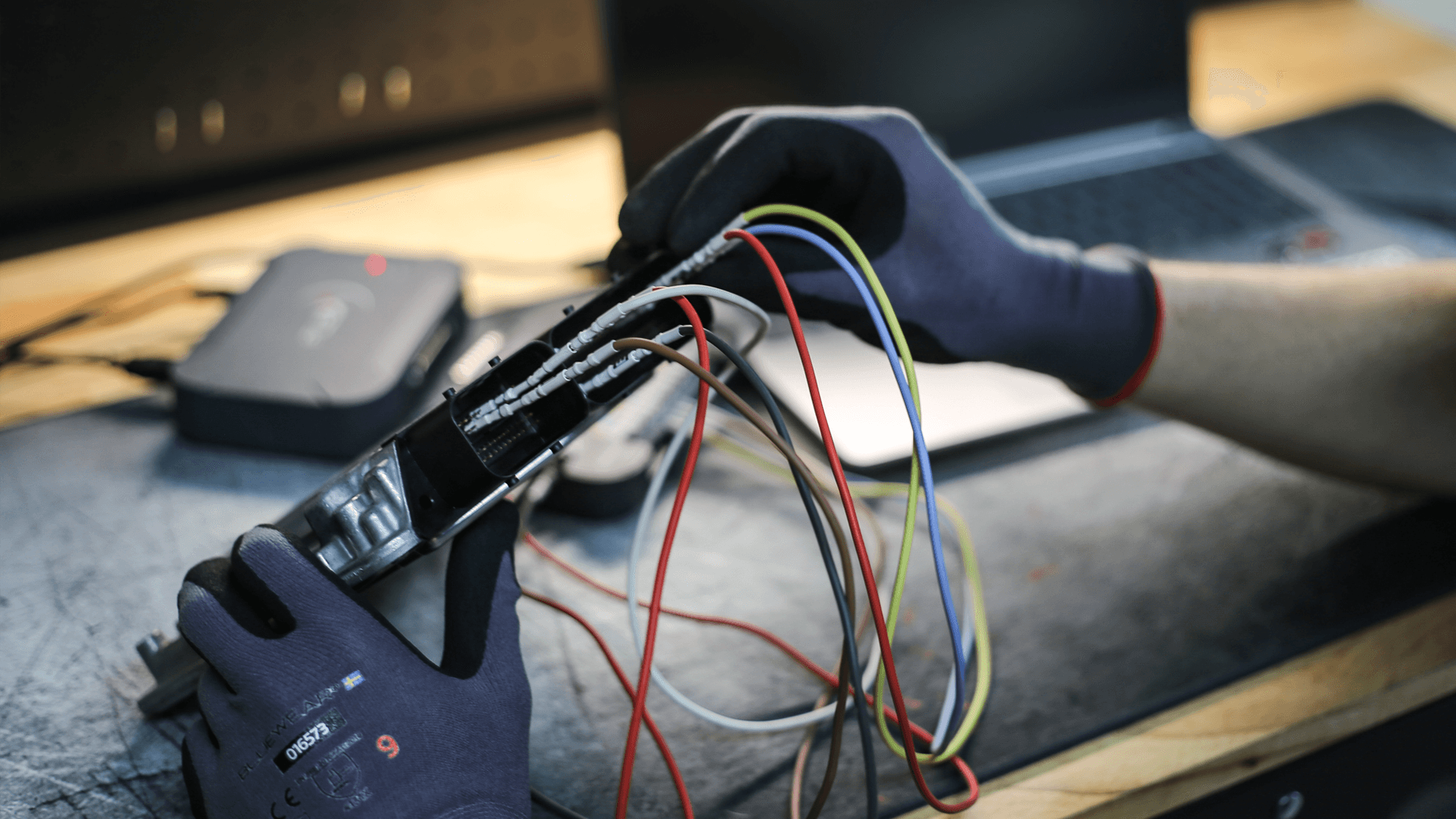
OBD programming is carried out through the vehicle’s diagnostic port. Bench programming involves connecting directly to the control unit’s connectors, while Boot programming typically requires access to the circuit board. The suitable method depends on the control unit and tool support.
Follow the tool manufacturer’s instructions, use the recommended power supply, and keep the original file available in case it is needed. Checksums, which are used to verify file data integrity, must be handled correctly according to the tool’s workflow.
After: Check More Than How the Car Feels on the Road
After programming, check for fault codes and review relevant operating values. Depending on the engine, logging values such as requested and actual boost pressure, temperatures, and fuel-related data can provide better insight than a test drive alone.
Verification should take place under controlled and legal conditions. If the vehicle behaves abnormally, investigate the cause before applying further load.
Frequently Asked Questions About Long-Lasting Stage 1 Files
Can You Guarantee That the Engine and Gearbox Will Not Be Affected?
No. Increased power and torque change the load on the vehicle. Tested, conservatively calibrated files are an important part of the process, but no file can guarantee the service life of a vehicle whose condition or wear is unknown.
Is TCU Tuning Needed Alongside Stage 1?
Not always. The need depends on the gearbox, its control system, and the planned torque output. The TCU is the gearbox’s electronic control unit. Gearbox tuning should be assessed separately and is not a way to compensate for mechanical faults or wear.
Is Registration Free, and Is the File Free Too?
Creating an account in the Revtech Files portal is completely free. This does not mean that the files are free of charge. Check the terms and price for the file you want before proceeding.
What About Inspections, Insurance, and Emissions?
Check the requirements that apply where the vehicle is used. In Sweden and elsewhere in the EU, modifications may affect vehicle approval, inspections, and insurance. In the UK and the US, local regulations and insurance terms should also be checked. Calling a file Stage 1 does not, by itself, mean the modification is permitted for road use.
Create a Free Account and Try a Stage 1 File
Good Stage 1 tuning starts with accurate vehicle information and realistic expectations. Do not choose a file based only on its advertised peak power: prioritize a tested file, correct ECU identification, and a process that takes the vehicle’s condition seriously.
Create a free account in the Revtech Files portal to get started and order a file to try on a suitable vehicle. Have the ECU identification, original file information, and details of any modifications ready, and contact technical support if you need clarification.