Stage 1 Files: Order the Right File for Your Engine Tune
A Stage 1 file is a modified program file for a vehicle’s engine control unit (ECU), intended to tune the engine while retaining the vehicle’s standard hardware. For a good result, the file must match the correct software version and take account of the engine, gearbox, and drivetrain. Choosing a file based only on the vehicle model and engine size is not enough.
Ready to place an order? Register a free account in the Revtech Files portal and submit the information needed for your Stage 1 file. The file service is open 24/7 and offers high-quality, tested files, along with support from real technicians. Delivery is often within a minute, although turnaround can vary depending on the file and the request.
What Is a Stage 1 File?
A Stage 1 file contains changes to the engine control unit’s calibration—the settings that control how the engine operates. Stage 1 tuning is generally based on the vehicle having its original components and not requiring mechanical upgrades for the tune in question.
Depending on the engine type and control system, calibration work may involve:
- Torque request and relevant torque limiters.
- Boost control on turbocharged or supercharged engines.
- Fuel quantity and injection control.
- Ignition settings on petrol engines.
- The interaction between the accelerator pedal, engine management, and torque delivery.
These functions affect one another. A well-developed file is therefore not simply a matter of increasing individual values; the calibration must remain coherent and suit the vehicle. Relevant protection functions should not be disabled to hide a problem.
Stage 1 Does Not Mean a Fixed Horsepower Gain
The term Stage 1 describes a type of tune, not a standardised power increase. The potential result depends on factors such as engine variant, fuel quality, software version, and the vehicle’s condition. Turbocharged and naturally aspirated engines also have different characteristics.
Ask for an assessment based on the specific vehicle rather than relying on figures for a similar model. A Stage 1 file does not automatically reduce fuel consumption either; driving style and engine load affect the outcome.
What Do You Need to Order the Right Stage 1 File?
The clearer the information you provide, the easier it is to assess the request and avoid unnecessary follow-up. For workshops, using a consistent process for every order is particularly valuable.
Have the following information ready:
- Vehicle model, model year, and engine variant.
- ECU manufacturer and hardware and software identification, where shown by the tool.
- The read original file or other information required for the selected protocol.
- The programming tool and read method used.
- Gearbox type and any known limitations.
- Details of any previous engine tuning or mechanical modifications.
- The desired result and any fault codes or driveability issues.
The Original File and ECU Identification Must Match
Two vehicles with the same model designation may have different software versions. A file from another vehicle is therefore not automatically suitable, even if the engine and ECU appear to be identical.
Always save the information and file before making changes. If the vehicle has already been tuned, disclose this when placing the order. A previously modified file should not be treated as a verified original file without checking it.
With virtual reading, the tool usually retrieves a matching original file based on the ECU identification rather than reading all file contents from the vehicle. Accurate identification and support for the relevant protocol are therefore essential.
How Ordering and Programming Work
1. Check the Vehicle Before Reading
Start with diagnostics and an assessment of the vehicle’s condition. Recurring engine faults, boost problems, or fuel system issues should be investigated before tuning. A modified file will not repair worn components.
For the vehicle owner, this means the workshop should do more than simply connect a programming tool. For the technician, it means documenting the baseline and distinguishing existing issues from anything that occurs after the work.
2. Read Using the Right Tool and Method
Reading and writing may be carried out via OBD, Bench, or Boot, depending on the ECU and tool support:
- OBD: communication through the vehicle’s diagnostic port.
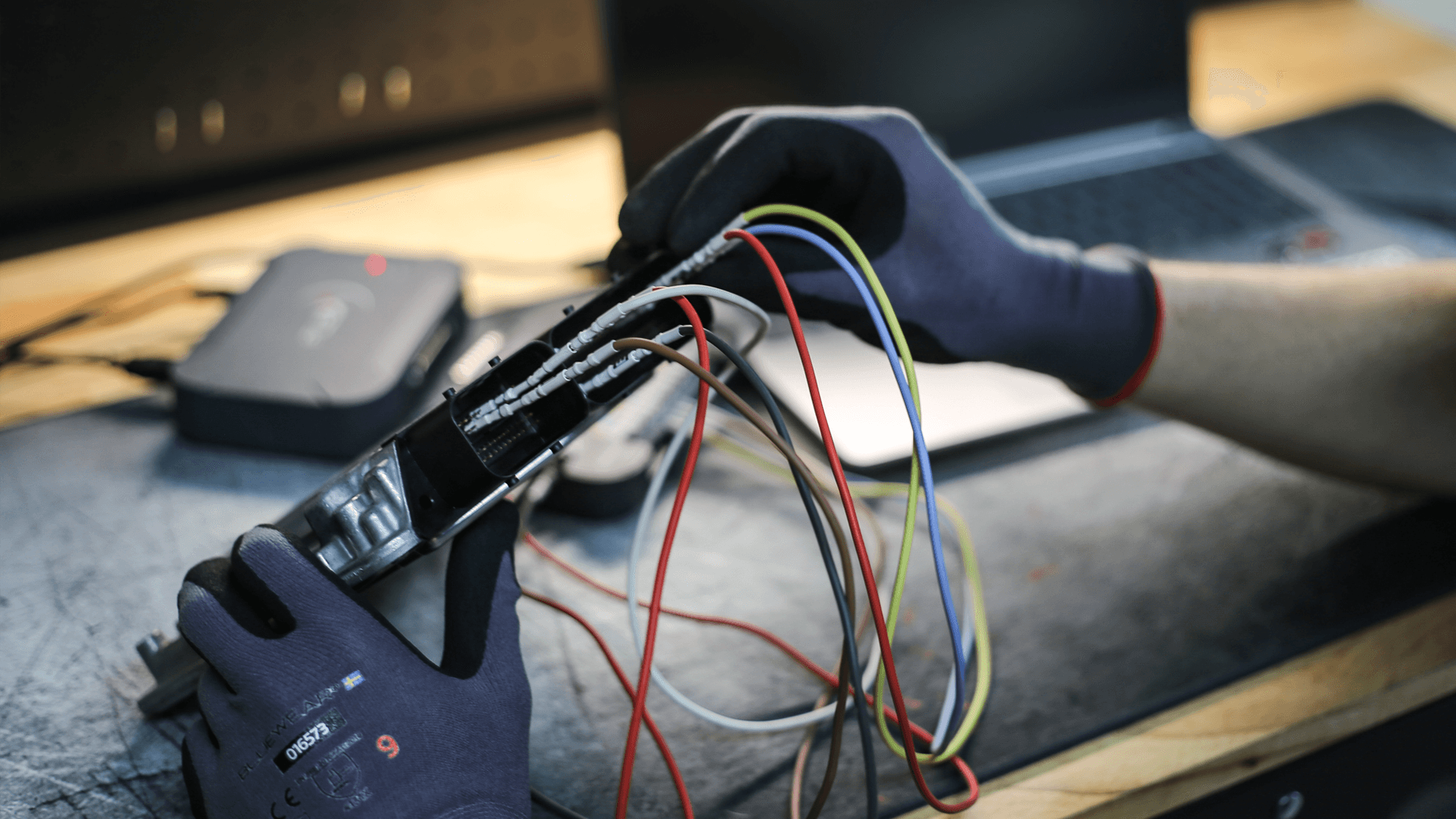
- Bench: a direct connection to the ECU connector, following the tool’s instructions.
- Boot: a method that, on many ECUs, requires the unit to be opened and specific connection points to be used.
These methods are not interchangeable. Follow the tool manufacturer’s instructions for the protocol, connections, and power supply.
3. Order the File With Clear Requirements
Upload the requested information to the portal and describe the vehicle and the work required. If torque needs to be adapted to the gearbox or the vehicle has specific requirements, state this at the outset.
Revtech Files provides tested files and technical support. Fast delivery, often within a minute, can help workshops plan their work. However, some requests may require checks or additional information before a file can be delivered.
4. Write the File and Check the Result
Confirm that the delivered file matches the correct request and follow the tool’s writing instructions. Also check how checksum handling is performed. A checksum is a value used to verify file integrity; it does not, by itself, prove that the calibration is right for the vehicle.
After programming, read the fault codes, check how the engine operates, and, where appropriate, log relevant values under suitable and safe conditions. Examples include requested and actual boost pressure, temperatures, and fuel-related values where these can be monitored.
How Do You Assess the Quality of a Stage 1 File?
Fast turnaround is useful, but it should be considered alongside the technical suitability of the file and the availability of support. A reliable order starts with the right information and ends with checks on the vehicle.
Questions worth asking include:
- Does the file match the specific ECU version and read method?
- Have the vehicle’s hardware and gearbox been taken into account?
- Are any fuel requirements clearly communicated?
- Is technical help available if logs or fault codes need to be reviewed?
- Is information saved for restoring the vehicle and troubleshooting?
A tested file does not replace checks on the individual vehicle. Wear, service history, and previous modifications can affect how the vehicle performs after programming.
Is Gearbox Tuning Also Needed?
Not always. The engine control unit and transmission control unit (TCU) work together on factors including torque. On some vehicles, gearbox limitations may affect the planned engine tune.
Assess this for the specific engine and gearbox combination. Gearbox tuning is a separate job and should not be assumed to be included with an ECU Stage 1 file.
Common Mistakes When Ordering Stage 1 Files
Many common problems can be prevented with clear documentation:
- Incorrect file information: using a file from another vehicle without verifying the match.
- Unclear history: failing to disclose previous tuning or component changes.
- Insufficient power supply: programming without the support required by the tool’s instructions.
- No checks after writing: returning the vehicle without diagnostics or a functional check.
- Unrealistic expectations: treating general power figures as guaranteed results for every vehicle.
Also check what the changes mean for warranty, insurance, and road use. Regulations and approval requirements vary by country, including across the EU, the UK, and the US. A Stage 1 file does not automatically mean the vehicle complies with local requirements, and changes to emissions systems are not a necessary part of Stage 1 tuning.
Start With the Right Information and a Clear Order
Revtech Files is operated by Fileservice Scandinavia AB in Kalmar, Sweden, and provides a file service that is open 24/7. For workshops, the combination of fast delivery, tested files, and technical support can help create an efficient workflow. For vehicle owners, the most important points are that the work is carried out with the right tools and that the vehicle is checked before and after programming.
Register an account in the portal, gather the vehicle identification and file information, and describe what you want to achieve. This provides a clear basis for ordering the right Stage 1 file without compromising the checks around the programming process.