How to Choose the Right File Service for ECU and Transmission Tuning
A good file service does more than deliver a modified file. It should help you choose the right source file, understand the changes, and resolve questions when a job does not go as planned. For a workshop, this affects working time, the customer experience, and the risk of costly rework.
That is why price and delivery time should not be your only considerations when comparing providers. Start with three questions: Are the files tested? Is the quality consistent? Is knowledgeable support available if something goes wrong? This guide explains what the answers should mean in practice.
What Does a File Service Do?
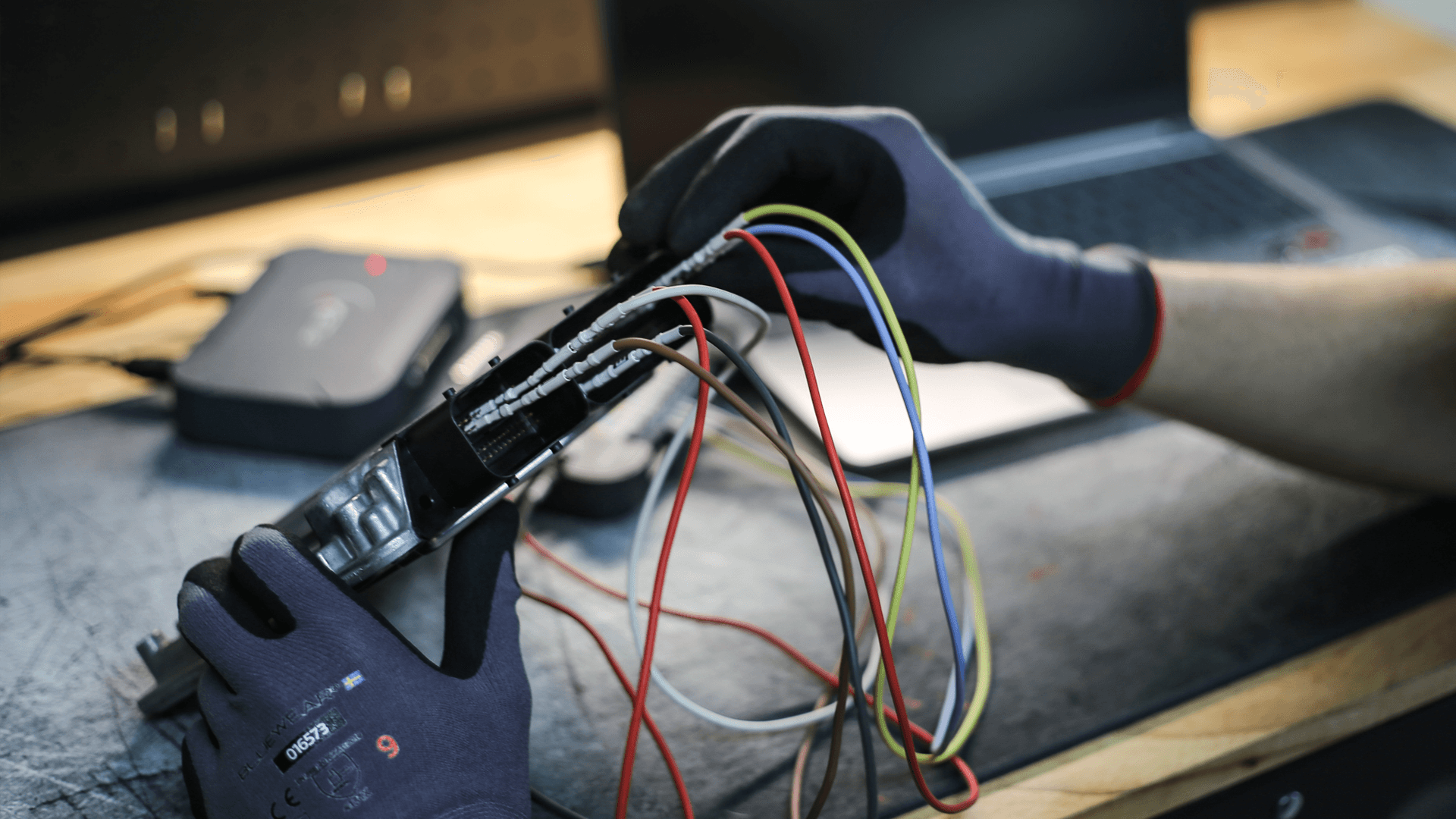
A file service modifies files for a vehicle’s engine control unit (ECU) or transmission control unit (TCU). The workshop reads or identifies the correct original file using a programming tool, then submits it along with information about the vehicle and the requested work. The provider returns a modified file for that specific job.
ECU tuning may involve adjustments to torque requests, boost pressure, and fuel control. Transmission tuning involves other functions, such as torque management and shift strategy, depending on the control unit and application.
This does not mean that one file is suitable for every vehicle with the same engine designation. Software version, hardware, vehicle condition, and previous modifications also need to be taken into account.
If you own a vehicle, it is worth asking your workshop how it chooses its file provider and verifies the results. If you work with programming, the same questions are an important part of evaluating a provider.
1. File Quality Starts with the Right Original File
A reputable file service needs to match its work to the correct control unit and software. The same model name and engine output are not enough to identify a vehicle accurately.
Useful information for a job typically includes:
- Vehicle model, engine variant, and transmission.
- Control unit identification details and software version.
- The tool and method used to read and write the file.
- The original file or source data required by the tool’s workflow.
- Details of hardware modifications, previous tuning, and existing fault codes.
- A clearly stated request, such as Stage 1 tuning or transmission tuning.
OBD reading is performed through the vehicle’s diagnostic port. Bench involves connecting directly to the control unit’s connectors, while Boot usually requires opening the control unit and connecting through specific points. The right method depends on the control unit and tool, not on which method seems easiest.
Ask How File Integrity Is Handled
Checksums are used to verify data integrity. When a file is modified, checksums need to be handled correctly in line with the requirements of the tool and control unit. Ask who is responsible for checksum correction in your workflow: the file provider or the programming tool.
However, a correct checksum does not prove that a calibration is good. A file may be technically writable without its changes being suitable for the vehicle.
2. “Tested Files” Should Mean More Than the Vehicle Starts
It is important for a provider to offer tested files, but ask what the testing involves. A proven calibration for a particular software family is not necessarily the same as a result verified on the customer’s specific vehicle.
Depending on the job, relevant verification may include:
- Checking calibration changes and how they work together.
- Running diagnostics before and after programming.
- Logging requested and actual values under suitable conditions.
- Assessing drivability and the interaction between the engine and transmission.
- Measuring power when it is part of the work and relevant to the goal.
A power graph does not tell the whole story. Uneven torque delivery, fault codes, or abnormal control behaviour can be just as important as peak power. For Stage 2 and Stage 3 tuning, the provider also needs to understand which components are actually installed on the vehicle.
Ask for a clear description of the testing, not just the word “tested.” No file can compensate for a mechanical fault, and testing a calibration does not replace the workshop’s inspection of the individual vehicle.
3. Consistent Quality Matters More Than One Successful Job
A good first delivery is encouraging, but a long-term provider needs to maintain the same standard on the next job. Consistent file quality comes from a repeatable process, not from applying the same changes to every vehicle.
Look for clear procedures for:
- Identifying the original file and software version.
- Recording the customer’s request and the vehicle’s condition.
- Managing versions when a file is revised.
- Providing feedback when the source data is incomplete or the requested outcome is unsuitable.
- Explaining which checks should be performed after writing the file.
A provider that asks follow-up questions can save time later. The alternative is a service that accepts any source data and promises the same result regardless of the vehicle’s condition or specification.
Compare the Total Cost of the Work
The lowest file price does not necessarily mean the lowest cost per job. Also account for time spent troubleshooting, writing files again, requesting additional information, and communicating with customers. A clear delivery backed by effective support can be more valuable than a cheap file that leaves the workshop to solve the rest alone.
4. Technical Support Proves Its Value When Something Is Unexpected
Support is one of the most important parts of a file service. If a vehicle logs a fault code or does not behave as expected, you need help distinguishing between file-related issues, programming problems, and faults that were already present in the vehicle.
Before placing your first order, ask the provider:
- How do I contact technical support?
- When are technicians available?
- Which logs, fault codes, and identification details do you need?
- How are requests for revisions handled?
- What happens if a file needs to be restored or investigated?
A portal being available 24/7 does not automatically mean technicians respond 24/7. Distinguish between portal availability, file delivery times, and support hours.
Prepare a Useful Support Request
Save the original file, control unit identification, and fault codes before starting the job. If something is unexpected afterward, describe exactly when it happens and include relevant logs, as well as details about the tool and the version of the file that was written.
Avoid trying several different files without a clear troubleshooting plan. That makes it harder to identify the cause of the problem. If you are unsure about the programming process, follow the tool manufacturer’s instructions and seek technical guidance before proceeding.
How Revtech Files Fits into Your Evaluation
Revtech Files is operated by Fileservice Scandinavia AB in Kalmar, Sweden. We provide tested files for Stage 1, Stage 2, and Stage 3 tuning, among other services, together with real technician support. Our file service is open 24/7.
If you are comparing providers, this is a useful starting point: access to files should be combined with technical assistance and clear information for every job. Evaluate us using the same questions you would ask any provider, especially about testing, workflow, and how support requests are handled.
Checklist Before Choosing a File Service
Before you start working with a provider, make sure you get clear answers to the following questions:
- Quality: How do you confirm that the file matches the correct control unit and software?
- Testing: What has been tested, and what needs to be verified on the customer’s vehicle?
- Consistency: Is there a clear process for deliveries and revisions?
- Support: Can you get technical assistance, and do you know what information to provide?
- Terms: What is included in the price, and how are additional requests handled?
- Responsibilities: Is it clear what the provider, workshop, and tool are each responsible for?
Also check the requirements that apply to the vehicle’s intended use. Modifications can affect emissions, inspections, insurance, and warranty coverage. Rules vary between regions such as the United States, the United Kingdom, and the European Union, as well as between different vehicle uses. The availability of a modified file does not mean the modification is permitted for road use.
Next Step: Start with Quality, Not Just Price
Choose a file service that can explain its work, deliver tested files with consistent quality, and help you when a job requires troubleshooting. This is the foundation of a partnership that works beyond the first delivery.
Would you like to learn more about Revtech Files? You can register for a free account in the Revtech Files portal and take the next step toward evaluating the service for your jobs.